The Croatian Red Cross is the main promoter of voluntary blood donation in the Republic of Croatia and conducts voluntary blood donation actions, gathers voluntary blood donors, issues acknowledgements and keeps records of these activities. In order to meet all the healthcare needs of the Republic of Croatia for blood and blood products, the Croatian Red Cross, in cooperation with transfusion medicine services, organises voluntary blood donation actions, prepares the Blood Donation Actions Calendar and the annual Blood Collection Plan, taking care to ensure that blood availability is balanced every day. Blood collection rests solely on the number of voluntary blood donors, in order to ensure sufficient blood supplies for all affected persons who need blood and blood products for treatment.
Every year, approximately 200,000 units of blood are collected in the Republic of Croatia, of which 160,000 in the blood donation actions organised by the Croatian Red Cross local branches, and 40,000 by the Croatian Institute for Transfusion Medicine in Zagreb, which on average makes 3.5 units of blood per 100,000 residents. In many countries, voluntary blood donation has been entrusted to national Red Cross and Red Crescent societies. The Croatian Red Cross pays special attention to the education of the population, introducing it to the system of voluntary blood donation and collection.
In 1999, the World Health Organization and the International Federation of Red Cross and Red Crescent Societies, of which the Croatian Red Cross is a member, adopted a document committing that the collection of safe blood will be based on voluntary and unpaid blood donation. The self-sufficiency of the healthcare system with respect to blood and blood products supply is an invaluable national asset for every country.
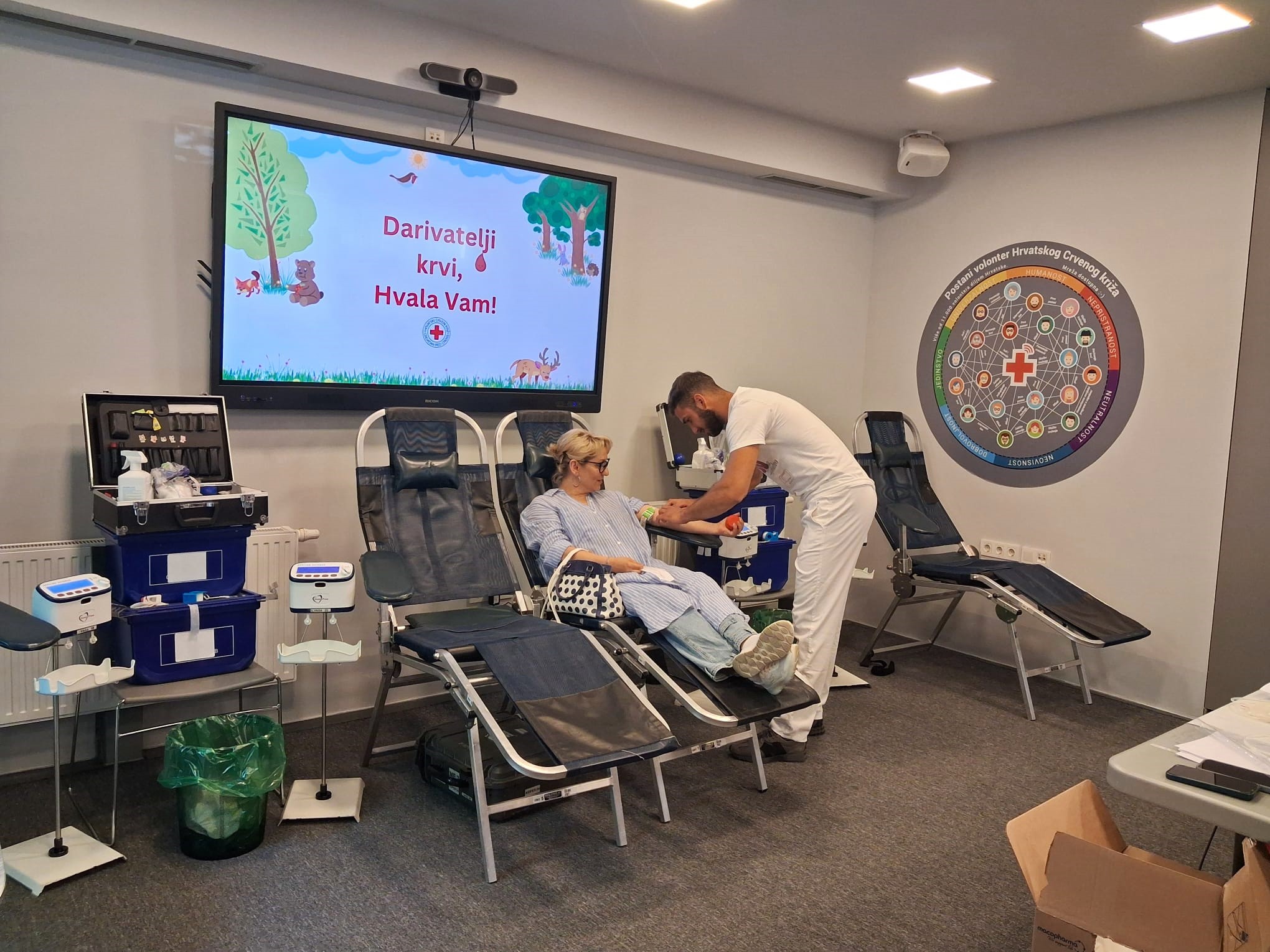
World Blood Donor Day is celebrated on 14 June with the aim of raising global awareness of the need to donate safe blood and its components. The Day of Voluntary Blood Donors in the Republic of Croatia is marked on 25 October, commemorating the first voluntary blood donation action, carried out in 1953 at the factory "Željezara Sisak", which was organised by the Croatian Red Cross and based on the principles of volunteerism, non-remuneration, solidarity and anonymity.
Who can be a voluntary blood donor?
A voluntary blood donor may be any healthy person who donates blood, plasma or other blood components and who is not paid for it in cash or in any other form that could be a substitute for money. There is no substitute medicine for blood, so the only source of blood are humans.
How to become a voluntary blood donor?
The first step in voluntary blood donation begins with the decision to donate blood to help sick people, by giving the most valuable thing we have. A person who wishes to become a voluntary blood donor must be of legal age and in good general health and have a valid ID card.
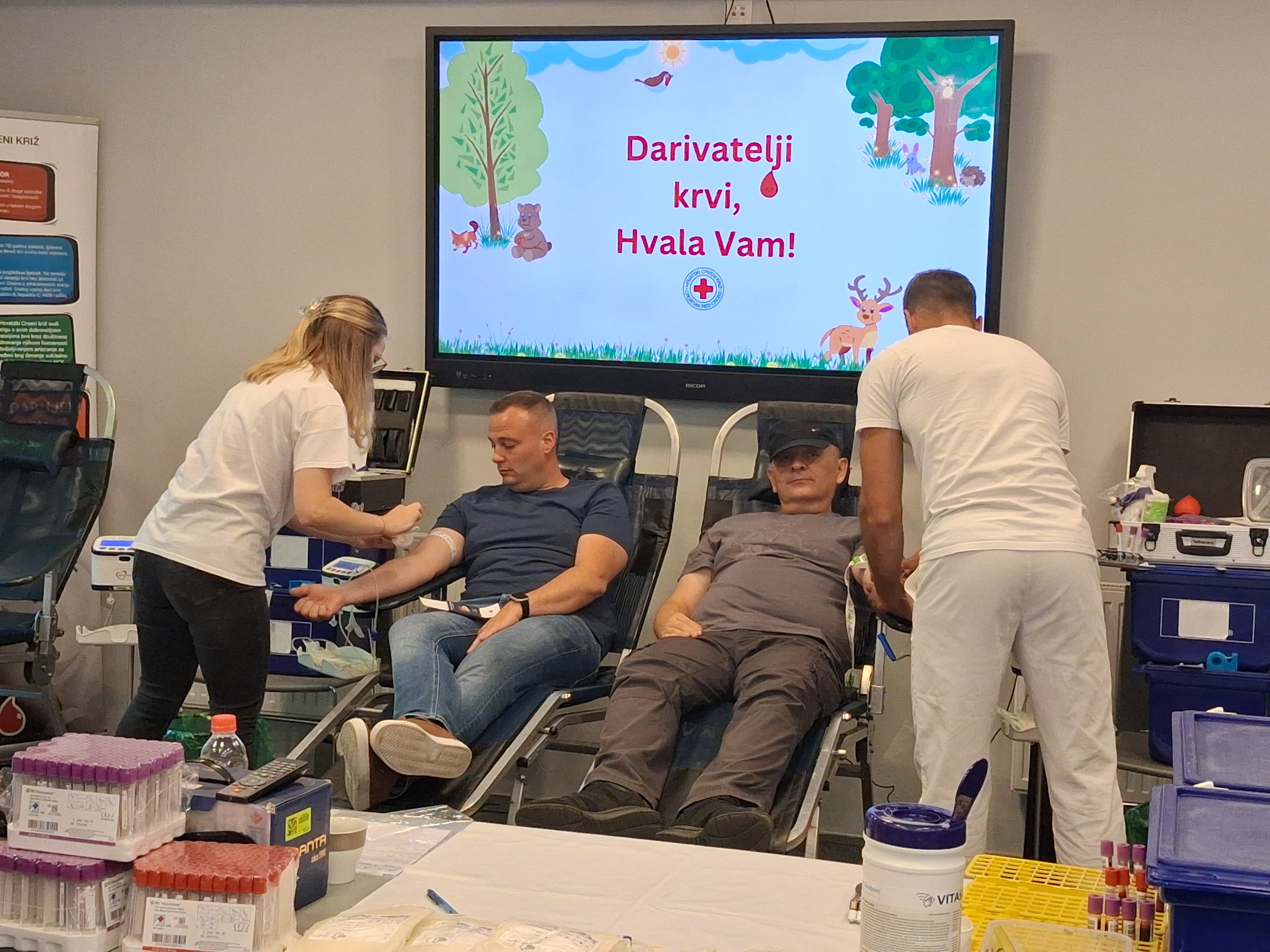
How is blood donated?
Blood can be donated in two ways. The usual method involves giving 450 millilitres of blood, which lasts for about ten minutes. Blood donation via a cell separator lasting 30 to 90 minutes involves taking one or more blood components (for example, leukocytes or platelets) from which blood products are made.
Who can donate blood and how often?
Blood may be donated by any person in good health who, according to the regulations of the Republic of Croatia, must be a citizen of the Republic of Croatia:
Social acknowledgement of voluntary blood donors
As a thank you to voluntary blood donors, their contribution, that is, their selfless and invaluable gift of blood, is socially acknowledged. Every year, the Croatian Red Cross, through its local branches, awards voluntary blood donors with acknowledgments, plaques and certificates of appreciation, depending on the number of blood donations. In addition, every year, the President of the Republic of Croatia awards the decoration “Order or the Croatian Star with the Effigy of Katarina Zrinska” - to women with 75 or more blood donations and men with 100 or more blood donations.
